Can You Install a Home Battery in the Inner West Without Solar?
Can you install a home battery in the Inner West without solar panels? Yes. A battery only system, sometimes called a standalone or grid charged battery, charges from the grid during cheap off peak hours and discharges during expensive peak periods or a blackout, with no solar array required at all. It still needs a CEC accredited installer, a compliant grid interactive inverter and the right spot in your home, but the panels themselves are entirely optional.
⚡ Quick Answers: Home Batteries Without Solar
- Do you need solar panels to get a home battery? No. A battery only system charges from the grid on an off peak tariff and discharges later, independent of any rooftop solar.
- Why would an Inner West household choose this over solar? A shaded or heritage listed roof, a rental property, strata restrictions on roof access, or simply wanting backup power without the panels are all genuine reasons.
- Does it still need a CEC accredited installer? Yes. Any grid connected battery system needs to be designed and installed by a person holding CEC grid connected battery accreditation, solar array or not.
- What standards govern a battery only install? AS/NZS 5139 covers battery system safety, and AS/NZS 3000 Clause 7.8.2.15 requires secondary battery systems in buildings to comply with the AS/NZS 3011 series.
- Where can the battery actually go in a terrace? Usually a garage, a side passage, a covered outdoor area or a ventilated utility space, never a bedroom or other habitable room, with clearances set by the manufacturer and the relevant standards.
- Can a battery only system back up my home in a blackout? Only if it's paired with a backup capable inverter and a properly wired critical loads circuit, the same requirement that applies to a solar plus battery backup setup.
1. What a battery only system actually is
Most people hear "home battery" and assume solar panels come with it, but the battery and the panels are two separate pieces of equipment that happen to get sold together often. A battery only system still uses a grid interactive inverter, just like a solar system does, except the inverter's job is charging the battery from mains power during cheap off peak hours rather than from daytime sunlight. The battery then discharges during expensive peak periods, during a blackout if it's set up for backup, or simply whenever you draw more power than your current tariff makes sense to pay for.
2. Why Inner West households without solar actually consider this
Solar isn't always realistic on an Inner West roof. A narrow terrace with heavy shading from neighbouring buildings and street trees, a heritage listed facade with roof restrictions, a rental property where the landlord won't fund panels, or a strata building where roof access is shared and contested are all common reasons a household looks at a battery on its own instead. Time of use electricity pricing has also made the economics genuinely workable without solar in some cases, since the gap between off peak and peak rates on many retailer plans is wide enough that shifting usage with a battery alone can be worthwhile, particularly for a household that is home and drawing power heavily in the evening peak.
3. The standards behind a compliant installation
A battery only system is not a lighter touch job just because there's no solar array to design around. AS/NZS 5139 is the dedicated standard covering the safety of battery systems used with power conversion equipment, addressing things like thermal management, fault protection and safe disconnection. AS/NZS 3000 Clause 7.8.2.15 separately requires secondary battery systems installed in buildings to comply with the AS/NZS 3011 series. On top of both of those, the installer still needs CEC grid connected battery accreditation to design and install any battery that connects to the grid through an inverter, which is exactly the same accreditation requirement that applies to a solar and battery combination.
4. Where the battery can actually go in a terrace
Space is the real constraint for most Inner West properties rather than the electrical work itself. A home battery needs adequate ventilation, clearance from doors and windows, and a location your manufacturer's installation instructions and the relevant standards both accept, which in practice usually rules out a bedroom, a laundry doubling as the only exit, or anywhere airflow is genuinely restricted. A garage, a covered side passage, an external wall with a weatherproof enclosure, or a dedicated spot in a basement car park on a strata property are the locations we see work most often on narrow Inner West blocks, and a proper site assessment is the only reliable way to confirm what your specific property can accommodate.
5. Switchboard and metering implications
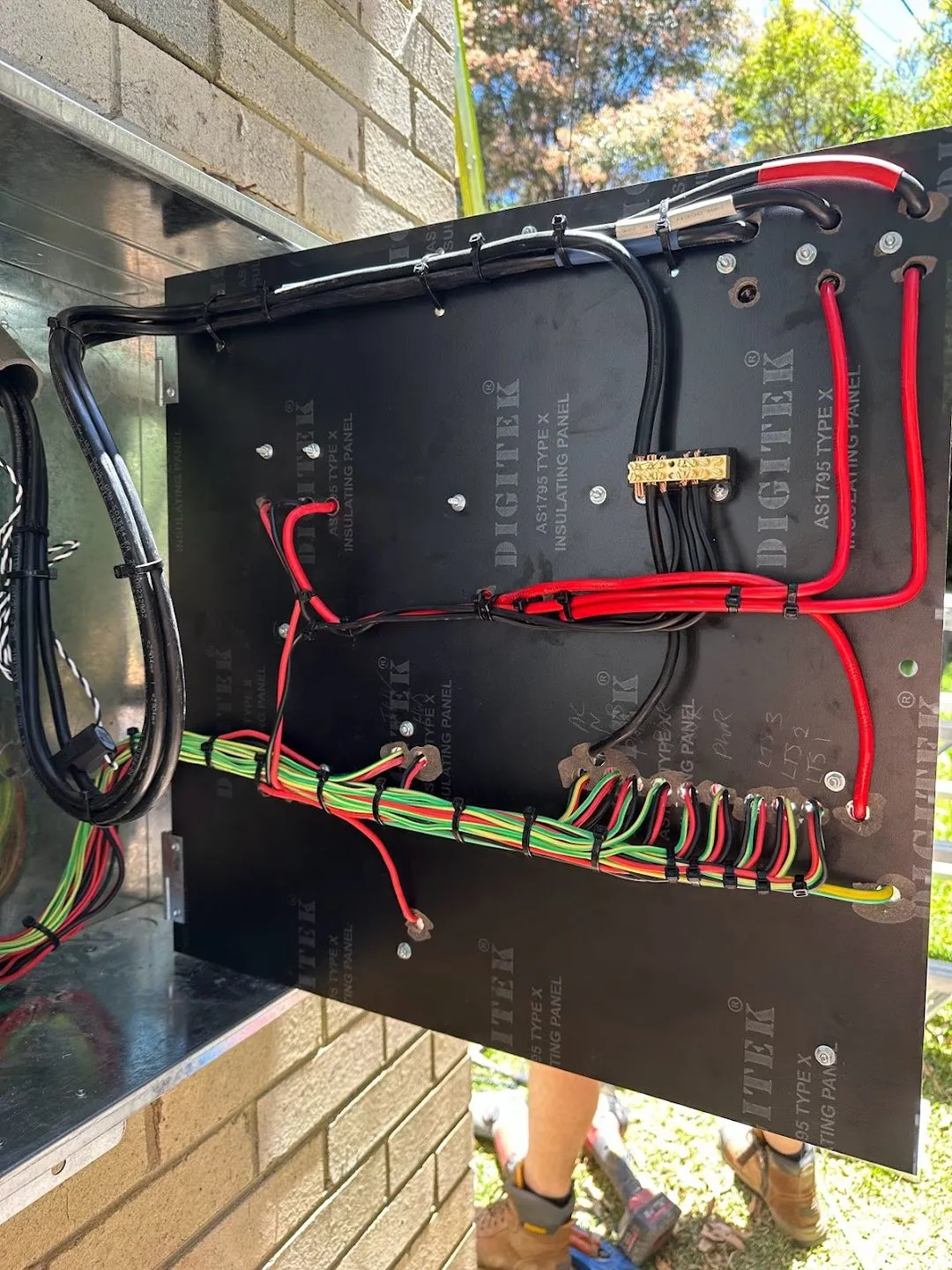
Charging a battery from the grid at the cheapest possible rate generally means your retailer needs to see your usage on a time of use or controlled load arrangement, which usually means a smart meter upgrade if your property is still on an older accumulation meter. The battery's charging and discharging circuit also needs to be wired into your switchboard correctly, and an older board with limited spare capacity may need upgrading at the same time to accommodate the new circuit safely rather than squeezing it in as an afterthought.
6. Can it double as blackout backup without solar
Yes, with the same caveat that applies to any battery setup. The system needs a backup capable inverter and a critical loads panel wired as a physically separate board for the circuits you want kept alive, exactly as covered in our guide to solar battery backup and blackout circuits, except here the battery is charged purely from the grid rather than topped up by daytime sun. One practical difference worth knowing: if a blackout runs long, a battery only system has no solar input to recharge it once it's drained, so the backup runtime is whatever the battery held when the power went out, nothing more.
Why it's licensed, accredited work
Designing and connecting any grid interactive battery, with or without solar, requires CEC grid connected battery accreditation on top of an electrical licence. Where the job also touches your point of connection, such as a smart meter upgrade or consumer mains work to support a bigger board, that section becomes Level 2 ASP territory as well, which is why it pays to use an electrician who holds both rather than piecing the job across separate trades.
How High Demand Electrical helps
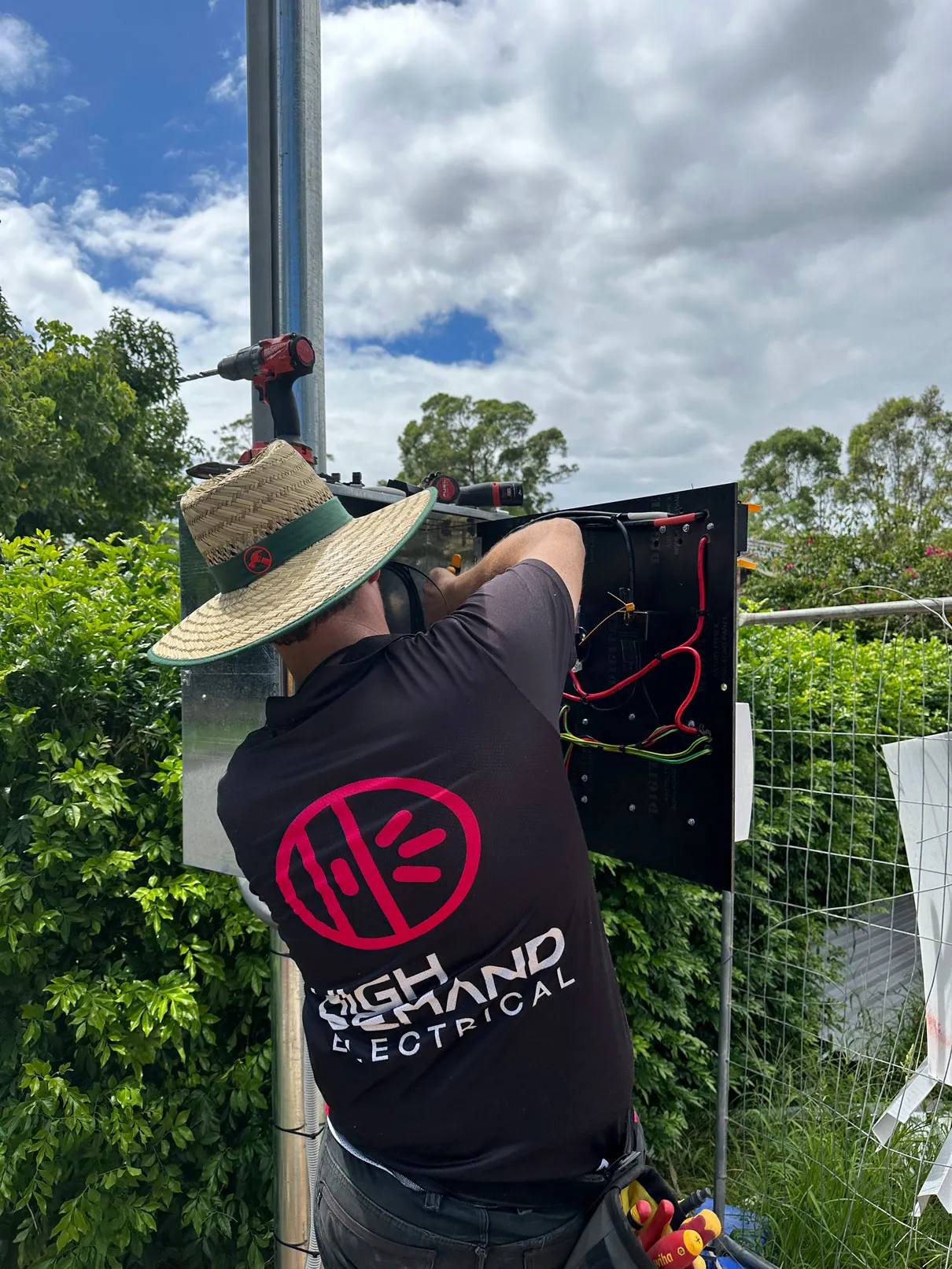
High Demand Electrical is a licensed local team, not a call centre, and we hold CEC grid connected battery accreditation alongside our Level 2 ASP licensing, so a battery only system, a full solar and battery setup, or anything in between is handled under one roof. We service homes across Sydney's Inner West and surrounding suburbs, and we're used to the specific space and access constraints that come with narrow terraces, semis and strata buildings where a standard suburban install plan simply doesn't fit. If you're weighing up whether a battery makes sense for your home without solar, a site assessment gives you a straight answer based on your actual roof, switchboard and usage pattern rather than a generic rule of thumb.
Home Battery Without Solar FAQs (Inner West)
Is a battery only system actually worth it compared to solar and battery together?
It depends on your usage pattern and tariff, and it's usually a smaller saving than pairing a battery with solar, but it can still be worthwhile for a household with high evening usage on a strong time of use plan. See our solar on Inner West terraces guide if you want to compare the combined option properly.
Does which network I'm on, Ausgrid or Endeavour Energy, change anything?
It can affect your time of use tariff windows and smart meter arrangements, since each distributor and your retailer set these slightly differently. Check your network area in seconds with our postcode checker if you're not sure which one applies to you.
Can I add solar panels later if I start with a battery only system?
In most cases yes, provided the inverter and switchboard were sized with that in mind from the start, which is worth raising with your installer at quote stage rather than assuming it later.
How big a battery do I actually need without solar?
It comes down to your evening and overnight usage rather than roof size, since there's no panel output to plan around, and a site assessment with your actual usage data gives a far more accurate answer than a generic household average.
Does a battery only system need the same fire clearance as a solar battery setup?
Yes, the battery itself carries the same AS/NZS 5139 safety and placement requirements regardless of whether solar is connected to it. See our switchboard upgrades service if your board also needs attention to fit the new circuit.
Get a Power Supply Upgrade Quote
Get a Power Supply Upgrade Quote from High Demand Electrical, or call 0402 559 777 to talk through a battery only system for your Inner West home. Every job still needs a site assessment before scope or pricing can be confirmed, since switchboard capacity, available space and your current meter all affect what's possible.
For the solar and battery combination instead, see our guide to solar battery storage compliance in NSW on the main High Demand Electrical site, and if backup power without a battery at all is more your situation, HD Power Pole's guide to connecting a backup generator covers that alternative.
Related Services
Powering Your Needs with Expertise
If you want a reliable, experienced, and prompt electrician, High Demand Electrical Inner West is the one to call. We cover every electrical need — routine maintenance, emergency repairs, full system installs — and our team is focused on keeping your setup running smoothly. Small task or big project, give us a ring today.

Licensed Level 2 ASP electricians across the Inner West and Sydney. Same-day service and 24/7 emergency response.
Licence 397193C
ABN 87 051 836 527